Hottest July on record globally:

By Kielce Gussie
The summer of 2026 has been marked by heatwave after heatwave. According to the US National Oceanic and Atmospheric Administration (NOAA), this July was the hottest on record globally since 1850 – tying only with July 2024 .
Across the world, people and societies suffered the consequences of this spike.
In Japan, temperatures soar as the country endures its longest 40°C (104°F) streak ever recorded. People are under extreme heat and hospitals and power systems face the threat of collapse as the temperature inches towards 49°C (120°F) in North Africa. Europe faced its second warmest July, which in turn had devastating effects. In France, over 7,300 people died as a result of the record number of high temperature days since the middle of June, according to an analysis by AFP.
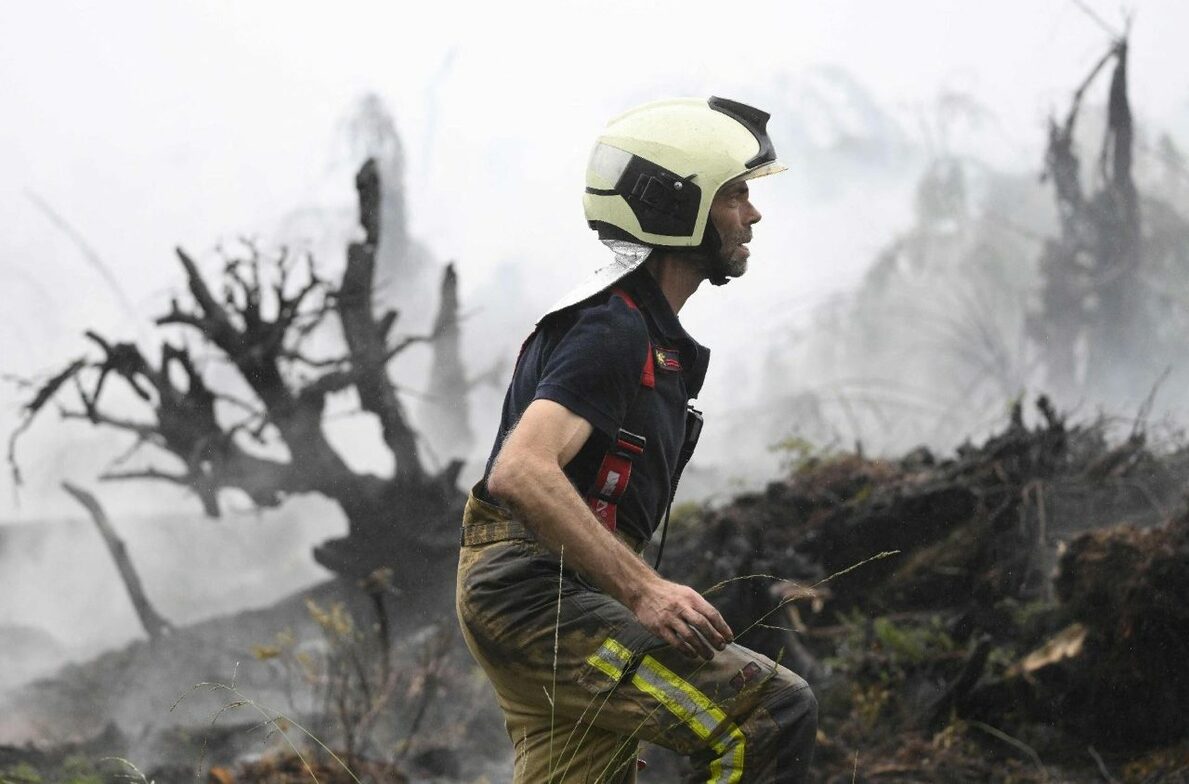
Western Europe recorded its hottest start to summer with repeated heatwaves in June and July, leading to droughts and wildfires. Belgium, Spain, France, Greece and Italy were among the nations that battled fires in these months.
By the end of the century, a study reports that wildfires are projected to burn 39% more of Europe, even if the best-case situation takes place to prevent the planet from heating. That figure can only change if serious action is taken to better manage the fires.